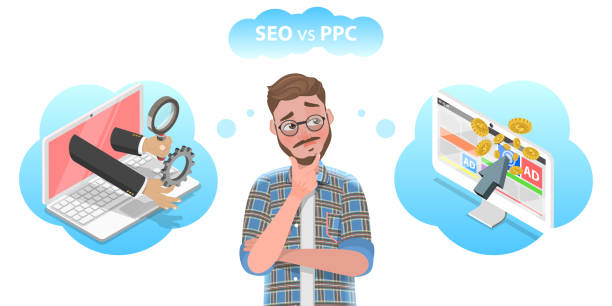
In the ever-evolving digital marketing landscape of 2026, businesses face a critical decision that can significantly impact their online visibility, lead generation, and overall marketing budget: should they invest in search engine optimization (SEO), pay-per-click advertising (PPC), or both? This comprehensive face-to-face comparison of SEO vs. PPC will help you understand the strengths, weaknesses, costs, and ideal use cases for each strategy, empowering you to make informed decisions that align with your business goals.
Understanding the Fundamentals: SEO vs. PPC
Before diving into the detailed comparison, let’s establish clear definitions of these two powerful digital marketing strategies.
Search Engine Optimization (SEO) is the practice of optimizing your website and content to rank organically in search engine results pages (SERPs) without paying for placement. Professional SEO Services include technical website improvements, high-quality content creation, strategic keyword optimization, authoritative backlink building, and user experience enhancement. When done effectively, SEO positions your website to appear prominently when users search for relevant terms related to your products or services, driving sustainable traffic and long-term growth.
Pay-Per-Click Advertising (PPC) is a paid advertising model where businesses bid on keywords and pay a fee each time someone clicks on their ad. Professional PPC Services help businesses create, manage, and optimize these campaigns for maximum ROI. PPC ads appear at the top and bottom of search results pages, clearly marked as advertisements. Google Ads is the most prominent PPC platform, though alternatives like Microsoft Advertising and social media advertising platforms also utilize the PPC model.
The SEO vs. PPC debate has intensified in 2026 as both strategies have evolved with technological advancements, particularly with the integration of artificial intelligence, voice search, and answer engine optimization into the digital marketing ecosystem.
The Cost Comparison: SEO vs. PPC in 2026
One of the most significant factors businesses consider when evaluating SEO vs. PPC is cost structure and long-term financial impact.
SEO Cost Structure
SEO typically requires upfront investment in website optimization, content creation, and ongoing maintenance. While you don’t pay for individual clicks or impressions, SEO costs include agency retainers or in-house staff salaries, content creation and optimization, technical improvements and site maintenance, link building and digital PR efforts, and SEO tools and software subscriptions.
The investment in SEO builds cumulative value over time. Once your content ranks well, it continues generating traffic without ongoing per-click costs. This creates a compounding return on investment that becomes increasingly cost-effective as your organic presence strengthens.
PPC Cost Structure
PPC operates on a direct cost-per-click model where you pay each time someone clicks your ad. Costs vary dramatically based on industry competition and keyword popularity, with some industries seeing average cost-per-click ranging from just a few dollars to over $50 for highly competitive terms like “personal injury lawyer” or “insurance quotes.”
PPC costs in 2026 include per-click advertising spend, platform management fees if using an agency, ad creation and creative development, landing page optimization, and ongoing campaign monitoring and adjustment.
The moment you stop funding PPC campaigns, traffic immediately ceases. This creates an ongoing expense requirement that never builds long-term equity in the same way SEO does.
SMC Nashville helps businesses navigate these cost considerations by developing integrated strategies that balance immediate PPC results with long-term SEO investment, optimizing overall marketing ROI.
Speed to Results: Which Delivers Faster?
When comparing SEO vs. PPC on timeline to impact, there’s a clear winner for immediate results, but the long-term picture tells a different story.
PPC: Instant Visibility
PPC campaigns can launch within days and begin driving traffic almost immediately. Once your ads are approved and campaigns go live, you can start receiving clicks and conversions. This makes PPC ideal for product launches, seasonal promotions, time-sensitive offers, testing new markets or messaging, and generating immediate leads while SEO efforts mature.
SEO: Building for the Long Term
SEO requires patience, with meaningful results typically emerging over three to six months, and substantial rankings often taking six to twelve months or more in competitive industries. However, once established, organic rankings tend to be more stable and sustainable than paid positions.
The compounding nature of SEO means that traffic and rankings continue improving over time with consistent effort, whereas PPC delivers linear results directly correlated to spending levels.
For businesses needing immediate traffic while building long-term presence, combining both strategies often proves most effective—a balanced approach that SMC Nashville specializes in implementing for clients across diverse industries.
Traffic Quality and User Trust
The SEO vs. PPC comparison extends beyond just cost and speed to encompass the quality of traffic generated and user perception of each channel.
Organic Search Trust Factor
Studies consistently show that users trust organic search results more than paid advertisements. Many users actively scroll past ads to reach organic listings, perceiving them as more credible and authoritative. This trust factor translates to higher engagement rates, better conversion potential for complex or high-consideration purchases, and stronger brand perception and authority.
Organic listings also capture users throughout the entire buyer journey, from initial research through final purchase decisions, as content can address various intent types and questions.
PPC Targeting Precision
While organic results enjoy trust advantages, PPC offers unmatched targeting capabilities including demographic targeting by age, gender, location, income, and more, remarketing to previous website visitors, time-of-day and day-of-week scheduling, device-specific targeting, and audience segmentation based on interests and behaviors.
This precision allows you to reach exactly the right person at exactly the right time with highly relevant messaging, potentially offsetting the trust disadvantage through superior relevance and personalization.
Control and Flexibility
The level of control you have over messaging, positioning, and strategy differs significantly between SEO vs. PPC.
PPC: Maximum Control
With PPC, you maintain complete control over ad copy and messaging, exact keywords triggering your ads, budget allocation and daily spending limits, geographic and demographic targeting, landing page experience, and promotion timing and duration. You can test new messaging, adjust budgets, or pause campaigns instantly based on performance or changing business needs.
SEO: Algorithm-Dependent Positioning
SEO positions are earned through quality and relevance signals, not purchased. You can’t guarantee specific rankings or control exactly when you’ll appear for particular searches. Search engine algorithms determine positioning based on hundreds of ranking factors, many of which are proprietary and constantly evolving.
However, this algorithm dependency also means that strong SEO creates a defensible competitive moat. Competitors can’t simply outbid you for your organic positions the way they can with PPC—they must earn their rankings through sustained effort and quality.
Click-Through Rates and Visibility
Understanding how users interact with search results reveals important considerations in the SEO vs. PPC equation.
Organic Results Dominate Clicks
Research consistently demonstrates that organic listings receive the vast majority of clicks on search results pages. Studies from 2025 and early 2026 show that organic results capture approximately 70-80% of all clicks, while paid ads receive only 20-30%. The first organic position alone often captures 25-30% of all clicks for a given search query.
PPC Captures High-Intent Searches
Despite lower overall click-through rates, PPC ads perform particularly well for high-intent, transactional searches where users are ready to purchase. Commercial keywords like “buy,” “price,” “near me,” and brand-specific searches often see higher PPC click-through rates.
Additionally, PPC ads dominate above-the-fold visibility on mobile devices, where screen real estate is limited and users may not scroll past paid results.
Sustainability and Long-Term Value
The SEO vs. PPC comparison takes on different dimensions when evaluating long-term sustainability and business value creation.
SEO Builds Equity
Quality SEO creates lasting digital assets through evergreen content that continues ranking and driving traffic, authoritative backlink profiles that strengthen over time, brand recognition and trust that compounds with visibility, and technical optimizations that improve overall site performance.
Even if you reduce SEO investment temporarily, you retain much of the ranking equity you’ve built. Traffic may decline gradually, but it doesn’t disappear overnight the way PPC traffic does when campaigns pause.
PPC Provides Flexibility
PPC’s impermanence is both a weakness and a strength. While traffic stops when spending stops, this also means you can reallocate budget instantly to other channels, test new products or services with minimal risk, adjust messaging rapidly based on market conditions, and scale spending up or down based on cash flow and business needs.
For businesses with fluctuating demand or seasonal products, PPC’s flexibility can be more valuable than SEO’s permanence.
Ready to develop a balanced digital marketing strategy that leverages the strengths of both SEO and PPC? SMC Nashville’s expert team can create a customized approach that maximizes your ROI across all channels. Contact us today for a free digital marketing consultation.
Competitive Dynamics
How SEO vs. PPC affect your competitive positioning reveals important strategic considerations.
PPC Levels the Playing Field Temporarily
With sufficient budget, even brand-new businesses can appear above established competitors in search results through PPC. This creates opportunities for market entry, competitive disruption, and rapid testing that would be impossible through organic search alone.
However, this also means that competitors can instantly match your positions by increasing their bids, creating an ongoing arms race in competitive industries that continuously drives costs higher.
SEO Rewards Sustained Excellence
Organic rankings favor websites with established authority, comprehensive content, strong backlink profiles, and positive user experience signals—factors that require time and consistent effort to develop. This creates barriers to entry that protect leading brands from upstart competitors but also makes it challenging for newer businesses to break into competitive niches.
Once achieved, however, strong organic positions are more defensible than PPC placements, as competitors can’t simply outbid you for rankings.
Integration Opportunities
Rather than viewing SEO vs. PPC as an either/or decision, the most sophisticated marketers in 2026 recognize that these strategies work best in combination.
Using PPC to Inform SEO
PPC campaigns provide valuable data that can enhance SEO efforts, including which keywords convert best and should be SEO priorities, effective ad copy and messaging that can inform content creation, landing page performance insights applicable to organic pages, and audience targeting information revealing profitable customer segments.
Using SEO to Enhance PPC
Strong organic presence supports PPC performance through increased brand recognition that improves ad click-through rates, quality content that can serve as landing pages for ads, lower bounce rates from branded traffic that improves quality scores, and comprehensive keyword coverage that identifies PPC opportunities.
SMC Nashville specializes in integrated search marketing strategies that leverage synergies between SEO and PPC, maximizing overall search presence while optimizing budget efficiency.
Industry-Specific Considerations
The SEO vs. PPC equation varies significantly across different industries and business models.
E-commerce: PPC for Products, SEO for Discovery
E-commerce businesses often benefit from PPC for specific product promotions, seasonal sales, and high-intent transactional searches, while using SEO for informational content, category pages, and brand building.
B2B Services: SEO for Thought Leadership
Business-to-business companies with longer sales cycles typically see stronger returns from SEO, which builds authority and nurtures prospects through educational content, while using PPC selectively for high-value keywords and retargeting.
Local Businesses: Combined Local Strategies
Local service businesses benefit from local SEO for “near me” searches and Google Business Profile optimization, combined with geographically targeted PPC for immediate lead generation during peak seasons.
Enterprise Brands: Comprehensive Presence
Large enterprises typically invest heavily in both SEO and PPC to dominate search results pages completely, preventing competitors from appearing and controlling the entire customer journey.
The 2026 Landscape: AI and Answer Engines
The digital marketing landscape of 2026 has introduced new complexities to the SEO vs. PPC comparison with the rise of AI-powered search and answer engines.
AI Overviews and Zero-Click Searches
Google’s AI Overviews and similar features from other search engines increasingly answer user queries directly within search results, reducing click-through rates for both organic and paid listings. This shift requires adaptation in both SEO strategies to be cited in AI-generated answers, and PPC approaches to capture users who still click through despite seeing AI answers.
Voice Search and Conversational Queries
Voice-activated searches continue growing in 2026, favoring conversational content and direct answers—areas where SEO traditionally excels—while creating new opportunities for voice-activated shopping ads in the PPC ecosystem.
Making Your Decision: SEO vs. PPC
The choice between SEO vs. PPC—or the balance between them—depends on several factors specific to your business.
Choose SEO as Your Primary Focus If:
- You have time to wait three to six months for substantial results
- You’re building long-term brand authority and market position
- Your industry has reasonable competition levels where rankings are achievable
- You want to reduce customer acquisition costs over time
- You’re targeting informational and educational keywords
- You have resources for consistent content creation and optimization
Prioritize PPC If:
- You need immediate traffic and leads
- You’re launching time-sensitive promotions or products
- You’re testing new markets, products, or messaging
- Your business has high lifetime customer value justifying higher acquisition costs
- You’re targeting high-intent transactional keywords
- You operate in extremely competitive industries where SEO would take years
Invest in Both for Maximum Impact: Most businesses benefit from an integrated approach that uses PPC for immediate results and specific campaigns while building long-term SEO equity. This balanced strategy provides sustainable growth with consistent lead flow.
SMC Nashville develops customized digital marketing strategies that optimize the balance between SEO and PPC based on your specific business goals, competitive landscape, and budget parameters. Schedule your free strategy session today and discover how we can maximize your search marketing ROI.
Frequently Asked Questions
1. What is the main difference between SEO and PPC?
The fundamental difference between SEO and PPC lies in how you achieve visibility in search results and the cost structure involved. SEO (Search Engine Optimization) focuses on earning organic rankings through website optimization, quality content creation, technical improvements, and authoritative backlinks—you don’t pay for clicks, but you invest in the optimization process itself. Your listings appear in regular search results based on relevance and quality signals. PPC (Pay-Per-Click) involves paying for advertisement placement at the top and bottom of search results pages—you bid on keywords and pay a fee each time someone clicks your ad. SEO builds long-term equity that continues delivering traffic even if you reduce investment, while PPC provides immediate visibility that stops the moment you stop paying. SEO typically takes months to show substantial results but becomes increasingly cost-effective over time, while PPC delivers instant traffic but requires ongoing spending to maintain presence.
2. Which is better in 2026: SEO or PPC?
Neither SEO nor PPC is universally “better” in 2026—the optimal choice depends entirely on your specific business circumstances, goals, and timeline. SEO excels for businesses seeking long-term, sustainable growth with lower ongoing costs, building brand authority, capturing users throughout the buyer journey, and creating defensible competitive advantages. It’s particularly effective for content-driven businesses, B2B companies with longer sales cycles, and organizations with the patience to wait for compounding results. PPC performs best when you need immediate results, are running time-sensitive campaigns, want precise targeting control, are testing new markets or messaging, or operate in industries where SEO would take years to achieve meaningful rankings. The most successful businesses in 2026 typically use both strategies in an integrated approach: PPC provides immediate traffic and testing capabilities while SEO builds long-term equity and reduces customer acquisition costs over time. The “better” choice is the one that aligns with your timeline, budget, competitive environment, and business objectives.
3. Is SEO cheaper than PPC in 2026?
The cost comparison between SEO and PPC in 2026 is more nuanced than a simple cheaper/more expensive assessment. SEO requires significant upfront investment in website optimization, content creation, technical improvements, and ongoing maintenance through agency fees, in-house staff, or tool subscriptions—but once your content ranks, it generates traffic without per-click costs, creating compounding ROI that becomes increasingly cost-effective over time. PPC requires direct payment for every click received, with costs in competitive industries ranging from a few dollars to over $50 per click depending on the keyword—traffic stops immediately when spending stops, creating ongoing expenses that never build equity. Over a 12-month period, SEO often proves more expensive initially but becomes cheaper on a per-acquisition basis as rankings improve, while PPC costs remain relatively constant regardless of how long you’ve been running campaigns. For long-term planning, SEO typically delivers better cost efficiency, but PPC provides more predictable, linear costs that some businesses prefer for budgeting purposes. The most cost-effective approach often combines both: using PPC for immediate results while SEO matures, then gradually shifting budget toward maintaining SEO dominance.
4. How long does SEO take compared to PPC?
The timeline difference between SEO and PPC represents one of the most significant distinctions in the SEO vs. PPC comparison. PPC delivers nearly instant results—campaigns can launch within days, and once approved, your ads appear immediately in search results, driving traffic and conversions from day one. This makes PPC ideal for time-sensitive situations like product launches, seasonal promotions, or when you need to generate leads immediately. SEO requires substantially more patience, with initial improvements in technical performance and indexing visible within one to three months, meaningful keyword ranking improvements typically emerging between three to six months, and substantial traffic growth and business impact usually materializing after six to twelve months of consistent effort. Highly competitive industries may require even longer timeframes to achieve strong positions. However, the key distinction is that while PPC results remain linear and tied directly to spending (stop paying, stop getting traffic), SEO results compound over time—the longer you invest consistently, the stronger your positions become and the more cost-effective your traffic generation. Most businesses benefit from using PPC to generate immediate results while simultaneously investing in SEO for long-term sustainability, eventually shifting budget allocation as organic presence strengthens.
Your Path to Search Marketing Success
Understanding the nuances of SEO vs. PPC empowers you to make strategic decisions about where to invest your marketing budget for maximum impact. Whether you choose to focus primarily on one channel or develop an integrated approach leveraging both, the key is aligning your strategy with your business goals, timeline, and competitive environment.
The digital landscape of 2026 offers unprecedented opportunities for businesses that strategically navigate the search marketing ecosystem with expertise, data-driven decision making, and consistent optimization.
SMC Nashville brings deep expertise in both SEO and PPC, helping businesses across Tennessee and beyond develop winning search marketing strategies that deliver measurable results. Don’t leave your search visibility to chance—partner with the experts who understand how to maximize ROI across all digital channels. Contact SMC Nashville today Or Call Us On 615-424-6834 for your complimentary search marketing audit and strategy consultation.
The question isn’t whether SEO or PPC is better—it’s how to optimize both for your unique situation. SMC Nashville stands ready to help you find that perfect balance and dominate search results in 2026 and beyond.


